Product Description
Bioclimatic pergolas from CHINAMFG are the perfect way to bring the comfort of indoors to your garden or patio. Available with rotating louvred ,
these all-weather aluminium pergolas are durable, luxurious and give you complete control over ventilation, light and shade.
Customize an exclusive aluminum pergola for your home !!!
| Material | Aluminium alloy 6005 T5 |
| Finish | Powder coated (warranty 5 years) & PVDF (waranty 10 years) |
| Sizes | Customized |
| Colors | Standard color RAL7012, 7016, 9005, 9016, also other colors is available |
| Rainfall intensity | 0.04 to 0.05 l/s/m2 |
| Snow load | Up to 180 kg/m2 or more |
| Wind resistance | Up to 180-240 km/h for closed blades |
| Delivery time | Usual 15-20 days after payment received and drawings confirmed |
| Optional accessories | Electric Side curtain/Sliding Glass Door/LED Light/Wind and rain sensor/Heater, etc |
FAQ
1. WHAT IS MATERIAL OF YOUR PERGOLA MADE OF?
The material of beam, post and beam are all aluminium alloy 6005 T5
The material of accessories are all stainless steel 304 and brass h59
2. WHAT IS THE LONGEST SPAN OF YOUR LOUVRE BLADES?
The maximum span of our louver blades is 5m without any sagging.
3. CAN IT BE MOUNTED TO THE WALL OF HOUSE?
Yes, our aluminum pergola can be attached to an existing wall
4. WHAT’S COLORS DO YOU HAVE ?
Usual 4 standard color of RAL 7012, 7016, 9005, 9016
Also it is available custom colours from RAL color or customers’ sample color.
5. WHAT’S THE SIZE OF PERGOLA DO YOU DO ?
We are the factory, so usual we custom made any sizes according to customers’ request.
6. WHAT’S THE RAINFALL INTENSITY, SNOW LOAD AND WIND RESISTANCE ?
Rainfall intensity: 0.04 to 0.05 l/s/m2
Snow load: Up to 180 kg/m2
Wind resistance: Up to 180-240 km/h for closed blades
| Shape: | Square |
|---|---|
| Frame Material: | Aluminum Alloy |
| Sail Material: | Aluminum Alloy |
| Sail Finishing: | PVDF |
| Condition: | New |
| Customized: | Customized |
| Customization: |
Available
|
|
|---|
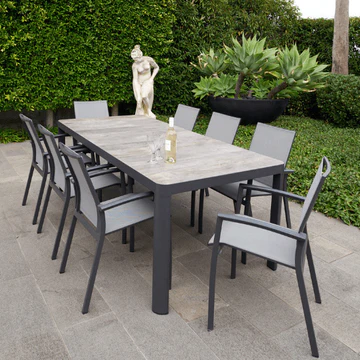
How can I maintain and care for aluminum furniture parts to extend their lifespan?
To extend the lifespan of aluminum furniture parts, proper maintenance and care are essential. Here is a detailed explanation of how you can maintain and care for aluminum furniture parts:
- 1. Regular Cleaning:
- 2. Avoid Harsh Chemicals:
- 3. Protect from Scratches:
- 4. Apply a Protective Finish:
- 5. Address Corrosion Promptly:
- 6. Store Properly:
- 7. Inspect and Tighten:
- 8. Follow Manufacturer’s Guidelines:
Regularly clean aluminum furniture parts to remove dirt, dust, and debris. Use a mild soap or detergent mixed with water and a soft cloth or sponge to gently scrub the surface. Avoid using abrasive cleaners or tools that can scratch the aluminum. Rinse thoroughly with clean water and dry the parts completely to prevent water spots.
Avoid using harsh chemicals or solvents on aluminum furniture parts as they can damage the surface finish. This includes cleaners containing ammonia, bleach, or acidic substances. Instead, opt for mild and non-abrasive cleaning solutions specifically designed for aluminum surfaces.
Prevent scratches on aluminum furniture parts by using coasters, placemats, or felt pads under objects that may cause friction or abrasion. Avoid dragging heavy or sharp objects directly on the surface. This helps preserve the appearance and integrity of the aluminum.
If your aluminum furniture parts have a painted or powder-coated finish, periodically inspect the finish for any signs of wear or damage. If necessary, touch up or recoat the finish to provide an additional layer of protection against environmental elements.
If you notice any signs of corrosion or oxidation on aluminum furniture parts, address it promptly to prevent further damage. Use a gentle cleaner specifically formulated for removing oxidation and follow the manufacturer’s instructions. After cleaning, rinse and dry the parts thoroughly.
During periods of non-use or inclement weather, store aluminum furniture parts in a dry and covered area. This helps protect them from moisture, extreme temperatures, and prolonged exposure to sunlight, which can cause fading or discoloration.
Regularly inspect the hardware, joints, and connections of your aluminum furniture parts. Check for any loose screws, bolts, or fasteners and tighten them as needed. This ensures structural stability and prevents further damage or wear.
Refer to the manufacturer’s guidelines or care instructions specific to your aluminum furniture parts. They may provide additional recommendations or precautions based on the particular finish or coating applied to the aluminum.
By following these maintenance practices, you can extend the lifespan of your aluminum furniture parts and keep them looking their best. Proper care helps preserve the appearance, functionality, and structural integrity of the parts, ensuring that you can enjoy them for years to come.
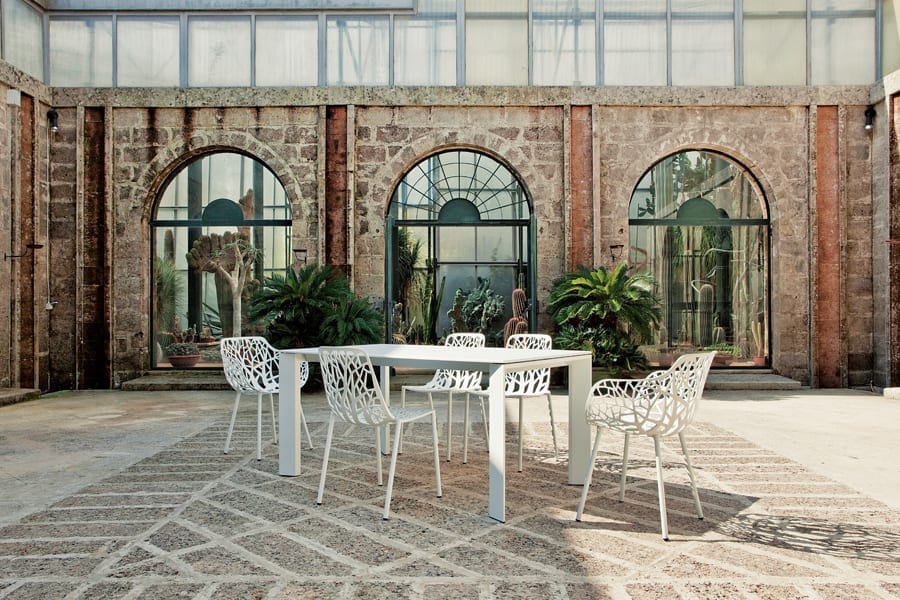
How do I secure aluminum parts for furniture to prevent damage or loss?
Securing aluminum parts for furniture is essential to prevent damage or loss. Here is a detailed explanation:
1. Proper Assembly: Ensure that the aluminum parts are properly assembled according to the manufacturer’s instructions. Follow the recommended steps and use the appropriate tools to securely attach the aluminum parts to the furniture. This will help prevent wobbling or loosening of the parts over time.
2. Reinforced Joints: Pay attention to the joints where the aluminum parts connect with other components of the furniture. Use reinforcements such as brackets, screws, or bolts to strengthen these joints. This will provide additional stability and prevent the parts from coming loose or detaching.
3. Weight Distribution: Consider the weight distribution of the furniture and the stress it places on the aluminum parts. Ensure that the weight is evenly distributed across the entire structure to avoid putting excessive strain on specific parts. This will help prevent warping, bending, or breaking of the aluminum components.
4. Proper Placement: Place the furniture in a suitable location where it is less likely to be subjected to excessive force, impact, or environmental hazards. Avoid placing the furniture in areas with high foot traffic or where it can be easily bumped or knocked over. Proper placement will minimize the risk of damage to the aluminum parts.
5. Secure Mounting: If the furniture has aluminum parts that need to be mounted to a wall or floor, ensure that the mounting is done correctly and securely. Use appropriate hardware such as wall anchors, brackets, or fasteners to firmly attach the aluminum parts to the mounting surface. This will prevent the parts from becoming loose or falling off.
6. Regular Maintenance: Perform regular maintenance on the furniture to ensure that the aluminum parts remain in good condition. Inspect the parts for any signs of damage, wear, or loosening. Tighten any screws or bolts as necessary. Clean the aluminum parts regularly to remove dirt, dust, or debris that can cause deterioration over time.
7. Protective Measures: Consider using protective measures to safeguard the aluminum parts. For example, you can use furniture pads or felt pads on the bottom of chair legs or table feet to prevent scratches on the floor. You can also use protective covers or cushions on aluminum frames to protect them from scratches or impact.
By following these guidelines, you can effectively secure aluminum parts for furniture and minimize the risk of damage or loss. Proper assembly, reinforced joints, weight distribution, and regular maintenance are key factors in ensuring the longevity and stability of the aluminum components. Taking these precautions will help you enjoy your furniture for years to come.
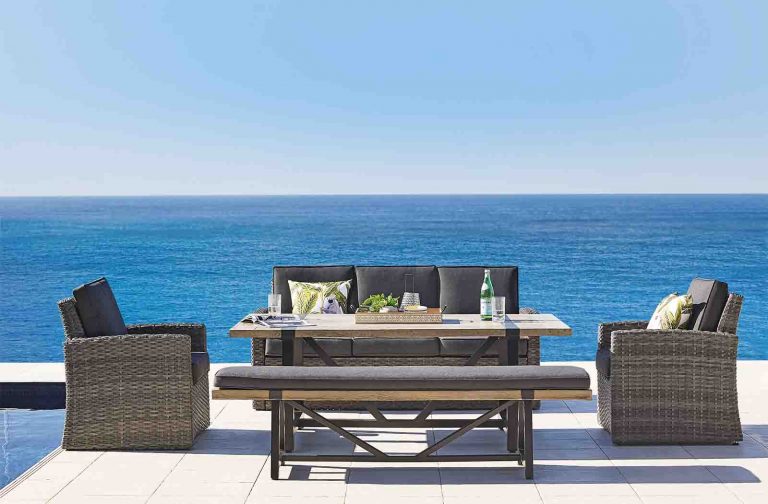
Are there eco-friendly or sustainable options for aluminum furniture parts?
Yes, there are eco-friendly and sustainable options available for aluminum furniture parts. Here is a detailed explanation of these options:
- 1. Recycled Aluminum:
- 2. Low Carbon Aluminum:
- 3. Cradle-to-Cradle Certified:
- 4. Design for Disassembly:
- 5. Local Sourcing:
- 6. Lifecycle Assessment:
One sustainable option for aluminum furniture parts is the use of recycled aluminum. Recycled aluminum is obtained from post-consumer or post-industrial sources and processed to create new aluminum products. This reduces the need for extracting and refining raw materials, conserves energy, and minimizes waste. Choosing furniture parts made from recycled aluminum helps promote a circular economy and reduces the environmental impact associated with traditional aluminum production.
Low carbon aluminum refers to aluminum produced using energy-efficient processes or renewable energy sources. It aims to reduce the carbon emissions associated with aluminum production. Manufacturers may employ technologies such as smelting with lower energy consumption or utilizing renewable energy in the production process. Opting for furniture parts made from low carbon aluminum helps mitigate the carbon footprint and contributes to a more sustainable supply chain.
Cradle-to-Cradle (C2C) certification is a rigorous standard that evaluates the environmental and social performance of a product throughout its lifecycle. Some aluminum furniture parts may carry the C2C certification, indicating that they meet specific criteria for material health, recyclability, renewable energy usage, water stewardship, and social fairness. Choosing C2C certified aluminum parts ensures that they have undergone a comprehensive sustainability assessment.
Designing aluminum furniture parts with disassembly in mind promotes sustainability. By using modular or easily detachable components, furniture can be disassembled at the end of its life cycle, allowing for efficient recycling or reuse of the aluminum parts. Designing for disassembly prolongs the lifespan of the materials and reduces waste.
Opting for locally sourced aluminum furniture parts can contribute to sustainability. Choosing suppliers or manufacturers within proximity reduces transportation distances, resulting in lower carbon emissions associated with shipping. It also supports local economies and reduces reliance on global supply chains.
Performing a lifecycle assessment (LCA) of aluminum furniture parts helps evaluate their environmental impact from raw material extraction to end-of-life disposal. LCAs consider factors such as energy consumption, greenhouse gas emissions, resource usage, and waste generation. Manufacturers or suppliers that conduct LCAs can provide transparency regarding the sustainability performance of their aluminum parts.
When sourcing aluminum furniture parts, look for certifications, labels, or information provided by manufacturers or suppliers that indicate their commitment to sustainability. Additionally, consider the overall durability and quality of the furniture parts, as longer lifespan reduces the need for replacements and minimizes waste.
By choosing eco-friendly or sustainable options for aluminum furniture parts, you can contribute to a more environmentally responsible and socially conscious approach to furniture manufacturing and consumption.
editor by CX 2023-11-16