Product Description
Bioclimatic pergolas from CHINAMFG are the perfect way to bring the comfort of indoors to your garden or patio. Available with rotating louvred ,
these all-weather aluminium pergolas are durable, luxurious and give you complete control over ventilation, light and shade.
Customize an exclusive aluminum pergola for your home !!!
| Material | Aluminium alloy 6005 T5 |
| Finish | Powder coated (warranty 5 years) & PVDF (waranty 10 years) |
| Sizes | Customized |
| Colors | Standard color RAL7012, 7016, 9005, 9016, also other colors is available |
| Rainfall intensity | 0.04 to 0.05 l/s/m2 |
| Snow load | Up to 180 kg/m2 or more |
| Wind resistance | Up to 180-240 km/h for closed blades |
| Delivery time | Usual 15-20 days after payment received and drawings confirmed |
| Optional accessories | Electric Side curtain/Sliding Glass Door/LED Light/Wind and rain sensor/Heater, etc |
FAQ
1. WHAT IS MATERIAL OF YOUR PERGOLA MADE OF?
The material of beam, post and beam are all aluminium alloy 6005 T5
The material of accessories are all stainless steel 304 and brass h59
2. WHAT IS THE LONGEST SPAN OF YOUR LOUVRE BLADES?
The maximum span of our louver blades is 5m without any sagging.
3. CAN IT BE MOUNTED TO THE WALL OF HOUSE?
Yes, our aluminum pergola can be attached to an existing wall
4. WHAT’S COLORS DO YOU HAVE ?
Usual 4 standard color of RAL 7012, 7016, 9005, 9016
Also it is available custom colours from RAL color or customers’ sample color.
5. WHAT’S THE SIZE OF PERGOLA DO YOU DO ?
We are the factory, so usual we custom made any sizes according to customers’ request.
6. WHAT’S THE RAINFALL INTENSITY, SNOW LOAD AND WIND RESISTANCE ?
Rainfall intensity: 0.04 to 0.05 l/s/m2
Snow load: Up to 180 kg/m2
Wind resistance: Up to 180-240 km/h for closed blades
| Shape: | Square |
|---|---|
| Frame Material: | Aluminum Alloy |
| Sail Material: | Aluminum Alloy |
| Sail Finishing: | PVDF |
| Condition: | New |
| Customized: | Customized |
| Customization: |
Available
|
|
|---|
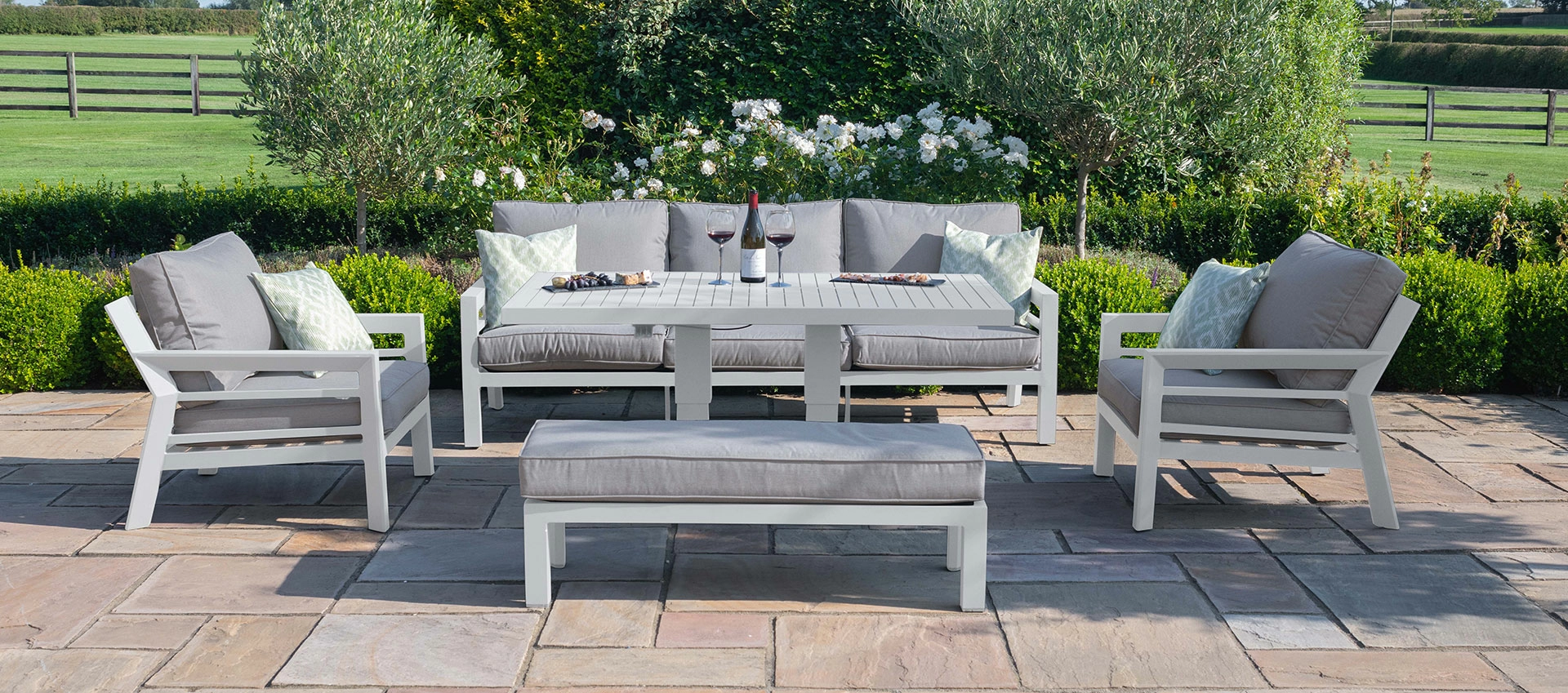
What finishes and treatments are available for aluminum furniture parts?
Aluminum furniture parts can be finished and treated in various ways to enhance their appearance, durability, and protection. Here is a detailed explanation of the finishes and treatments available for aluminum furniture parts:
- 1. Powder Coating:
- 2. Anodizing:
- 3. Polishing:
- 4. Brushed or Satin Finish:
- 5. Clear Coating:
- 6. Lacquering:
- 7. Custom Finishes:
Powder coating is a popular finish for aluminum furniture parts. It involves applying a dry powder to the surface of the aluminum and then curing it through a heating process. Powder coating provides a durable and even finish that is resistant to chipping, scratching, and fading. It is available in a wide range of colors and textures, allowing for customization and versatility in design.
Anodizing is an electrochemical process that creates a protective oxide layer on the surface of aluminum furniture parts. This treatment enhances the natural corrosion resistance of aluminum and provides a durable finish. Anodized aluminum can have a variety of colors, ranging from clear or natural to bronze, black, or other custom shades. It also maintains the metallic appearance of the aluminum while offering improved resistance to scratches and wear.
Polishing is a surface treatment that gives aluminum furniture parts a smooth and reflective finish. Through the use of polishing compounds and abrasive materials, the aluminum surface is buffed to remove imperfections and create a high-gloss shine. Polished aluminum parts can add a touch of elegance and sophistication to furniture designs.
Brushed or satin finishes are achieved by brushing the aluminum surface with abrasive materials in a consistent pattern. This creates a textured, matte finish that diffuses light and hides fingerprints or minor scratches. Brushed or satin finishes are commonly used in contemporary or industrial-style furniture, offering a sleek and modern look.
Clear coating involves applying a transparent protective layer on the aluminum surface. This treatment helps preserve the natural appearance of the aluminum while providing a barrier against oxidation, corrosion, and UV damage. Clear coatings can be combined with other treatments or used on their own to maintain the metallic look of aluminum furniture parts.
Lacquering is a process of applying a clear or colored coating to aluminum furniture parts to protect the surface and enhance its visual appeal. Lacquers can provide a glossy or matte finish, depending on the desired effect. They offer protection against scratches, moisture, and fading, and are available in a wide range of colors to suit different design preferences.
Custom finishes for aluminum furniture parts are also available, allowing for unique and personalized designs. These can include specialized paint applications, patterns, textures, or other decorative treatments. Custom finishes provide the opportunity to match specific design themes, incorporate branding elements, or achieve a one-of-a-kind look for your furniture.
When selecting finishes and treatments for aluminum furniture parts, consider the desired aesthetic, functionality, and durability requirements. Additionally, follow the manufacturer’s recommendations and proper maintenance practices to ensure the longevity and performance of the finished aluminum parts.
With the variety of finishes and treatments available, aluminum furniture parts can be customized to suit different design styles and functional needs, providing both visual appeal and long-lasting performance.
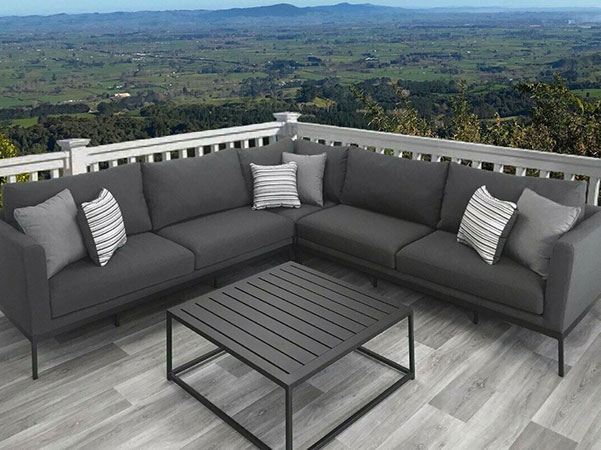
Can aluminum furniture parts withstand exposure to saltwater in coastal environments?
Yes, aluminum furniture parts can generally withstand exposure to saltwater in coastal environments. Here is a detailed explanation:
1. Corrosion Resistance: Aluminum is naturally resistant to corrosion, which makes it well-suited for coastal environments where saltwater is present. The oxide layer that forms on the surface of aluminum provides a protective barrier against saltwater, preventing direct contact between the metal and the corrosive elements. This corrosion resistance helps to maintain the structural integrity and appearance of aluminum furniture parts over time.
2. Anodized Aluminum: Anodizing is an additional surface treatment process that can further enhance the corrosion resistance of aluminum. Anodized aluminum undergoes an electrochemical process that thickens the natural oxide layer on the surface, creating a more durable and protective coating. Anodized aluminum furniture parts are even more resistant to saltwater exposure and can withstand the harsh coastal environment with minimal corrosion or degradation.
3. Proper Maintenance: While aluminum furniture parts are generally resistant to saltwater, proper maintenance is still important to ensure their longevity. Regular cleaning with fresh water and mild soap is recommended to remove any salt residue or other contaminants. Avoid using abrasive cleaners or materials that can scratch the surface of the aluminum. Periodically inspect the furniture parts for any signs of corrosion or damage and address any issues promptly.
4. Protective Finishes: Applying a protective finish, such as powder coating or a clear sealant, can provide an additional layer of protection for aluminum furniture parts in coastal environments. Powder coating creates a durable and corrosion-resistant barrier on the surface, while a clear sealant can help seal the aluminum and prevent direct exposure to saltwater. These finishes not only enhance the corrosion resistance but also offer aesthetic options to match your desired style.
5. Stainless Steel Hardware: When assembling aluminum furniture parts for coastal environments, using stainless steel hardware is recommended. Stainless steel is highly resistant to corrosion caused by saltwater, ensuring that the fasteners and connectors used in the furniture assembly remain strong and intact. Using stainless steel hardware helps maintain the overall integrity of the furniture and prevents potential issues due to corrosion.
While aluminum furniture parts are generally well-suited for coastal environments, it’s important to note that prolonged exposure to saltwater can still cause some degree of corrosion over time. Regular maintenance, including cleaning and inspection, will help identify and address any issues before they become significant. Additionally, choosing high-quality aluminum materials, considering anodized or protective finishes, and using stainless steel hardware can further enhance the ability of aluminum furniture parts to withstand saltwater exposure in coastal environments.
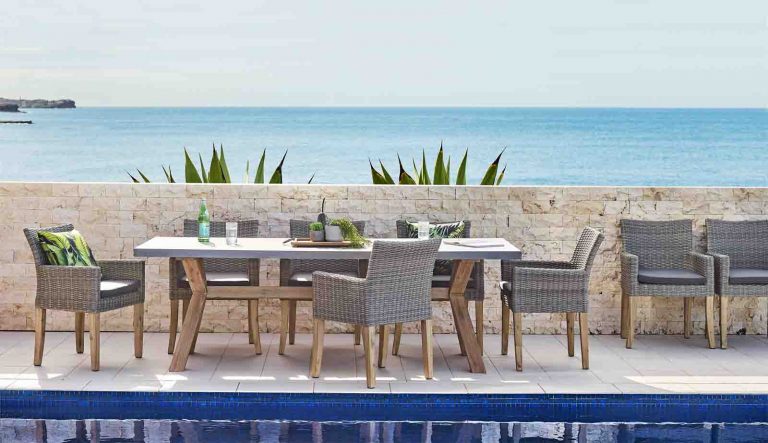
How do I choose the right size and dimensions for aluminum furniture parts?
Choosing the right size and dimensions for aluminum furniture parts is crucial to ensure a proper fit and functionality within your furniture design. Here is a detailed explanation of the factors to consider when selecting the size and dimensions of aluminum furniture parts:
1. Measurements: Start by measuring the specific areas or components of your furniture where the aluminum parts will be installed. Take accurate measurements of the length, width, height, and any other relevant dimensions. This will help you determine the exact size and shape required for the aluminum parts.
2. Proportions and Scale: Consider the proportions and scale of your existing furniture and the surrounding space. The size of the aluminum parts should be in proportion to the overall size of the furniture and should complement the surrounding elements. Oversized or undersized aluminum parts can disrupt the balance and harmony of the design.
3. Functionality: Evaluate the intended functionality of the aluminum parts. Consider factors such as weight-bearing capacity, structural stability, and ergonomic considerations. For example, if you are replacing furniture legs, ensure that the dimensions of the aluminum legs can adequately support the weight of the furniture.
4. Aesthetics: Consider the desired aesthetic impact of the aluminum parts. Determine whether you want the parts to be visually prominent or blend seamlessly with the existing furniture. The dimensions of the aluminum parts can influence the overall visual appeal and style of the furniture.
5. Compatibility: Ensure that the dimensions of the aluminum parts are compatible with other components or hardware in your furniture. This includes checking alignment, attachment points, and any necessary connectors or fasteners. The parts should fit properly and integrate smoothly with the rest of the furniture.
6. Ease of Installation: Consider the practical aspects of installing the aluminum parts. Ensure that the dimensions allow for easy installation and assembly without causing any damage to the furniture or compromising its structural integrity.
It is important to consult the manufacturer or a professional furniture designer if you are unsure about the appropriate size and dimensions for the aluminum parts. They can provide expert advice and guidance based on their experience and knowledge of furniture design and construction.
By carefully considering measurements, proportions, functionality, aesthetics, compatibility, and ease of installation, you can choose the right size and dimensions for aluminum furniture parts that will enhance the overall design and functionality of your furniture.
editor by CX 2023-11-27