Product Description
Specification:
Size: 60*40*25cm
Material: Steel
Color: optional
Logo: can be printed
Details:
Related products:
Workshop and Loading pictures:
Q&A:
Q1: Can you accept small order?
Yes, sure. Welcome your order, samll or big.
Q2: Can we choose more colors?
Yes,sure. We will try our best to meet your requirents on colors.
Q3: Can we mix many items in 1 container?
Yes. sure. We will assist you to sell various of products.
Q4: What’s your payment term?
T/T, L/C, Paypal, Westerunion western union
Q5: What is lead time?
Usually 20-30days. It will be 60days in CHINAMFG season.
Q6: Logo, hangtag, washable label are available?
Yes, sure. Only if you provide the artworks file.
Q7: How long I can get the feedback after we sent the enquiry?
We will reply to you within 12 hours.
Q8: How can I get the samples?
We are pleasure to offer you sample, but will charge shiping cost. /* March 10, 2571 17:59:20 */!function(){function s(e,r){var a,o={};try{e&&e.split(“,”).forEach(function(e,t){e&&(a=e.match(/(.*?):(.*)$/))&&1
| Material: | Steel |
|---|---|
| Style: | Simple |
| Kind: | Folding Table |
| Folded: | Folded |
| Armrest: | Without Armrest |
| Condition: | New |
| Samples: |
US$ 0/Piece
1 Piece(Min.Order) | |
|---|
| Customization: |
Available
|
|
|---|
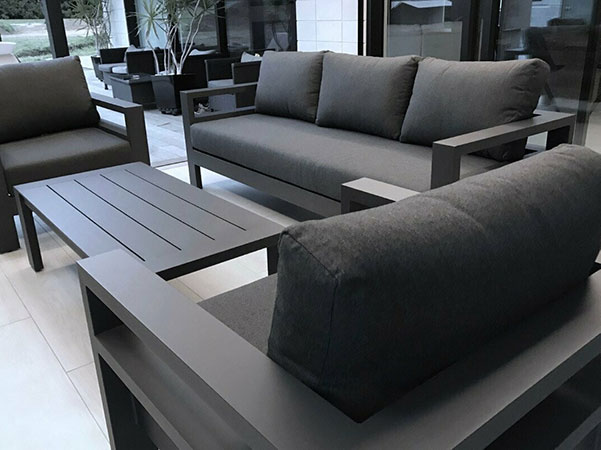
How do I protect my aluminum furniture from sun exposure and fading?
Protecting aluminum furniture from sun exposure and fading is essential to maintain its appearance and prolong its lifespan. Here are some effective measures to consider:
1. Use Protective Covers:
When not in use, cover your aluminum furniture with protective covers specifically designed for outdoor furniture. These covers provide a barrier against direct sunlight, UV rays, and other weather elements. Choose covers made from durable, UV-resistant materials that are waterproof and breathable to prevent moisture buildup.
2. Provide Shade:
Position your aluminum furniture in shaded areas to reduce direct exposure to sunlight. Consider using umbrellas, canopies, or pergolas to create shade over your outdoor seating areas. This helps minimize the amount of sunlight reaching the furniture, reducing the risk of fading and sun damage.
3. Apply Protective Coatings:
Applying protective coatings to your aluminum furniture can provide an additional layer of defense against sun exposure and fading. Look for coatings specifically formulated for outdoor use and compatible with aluminum surfaces. These coatings act as a barrier, shielding the furniture from UV rays and preventing color fading. Follow the manufacturer’s instructions for proper application.
4. Regular Cleaning:
Regularly clean your aluminum furniture to remove dirt, debris, and pollutants that can contribute to fading. Use a mild soap or specialized aluminum cleaner and a soft brush or cloth to gently scrub the surfaces. Rinse thoroughly with water and dry completely to prevent water spots. Avoid abrasive cleaners or tools that can scratch the aluminum finish.
5. Apply UV Protectors:
UV protectors are products designed to safeguard outdoor furniture from the harmful effects of UV rays. Look for UV protectors specifically formulated for use on aluminum surfaces. These products create a protective barrier that absorbs or reflects UV radiation, reducing the risk of fading and sun damage. Follow the manufacturer’s instructions for application and reapplication intervals.
6. Seek Shelter During Extreme Conditions:
During periods of intense sunlight or extreme weather conditions, it’s advisable to seek shelter for your aluminum furniture. This can include moving the furniture indoors or storing it in a covered area such as a garage or shed. Extreme heat, prolonged exposure to intense sunlight, or severe weather conditions can accelerate fading and damage to the furniture.
7. Regular Maintenance and Inspection:
Perform regular maintenance and inspections on your aluminum furniture. Check for any signs of fading, discoloration, or damage. Promptly address any issues by cleaning, applying protective coatings, or seeking professional assistance if needed. Regular maintenance helps identify and address potential problems before they worsen.
By implementing these preventive measures, you can effectively protect your aluminum furniture from sun exposure and fading. Remember to follow the manufacturer’s recommendations and care instructions specific to your furniture for optimal protection and longevity.
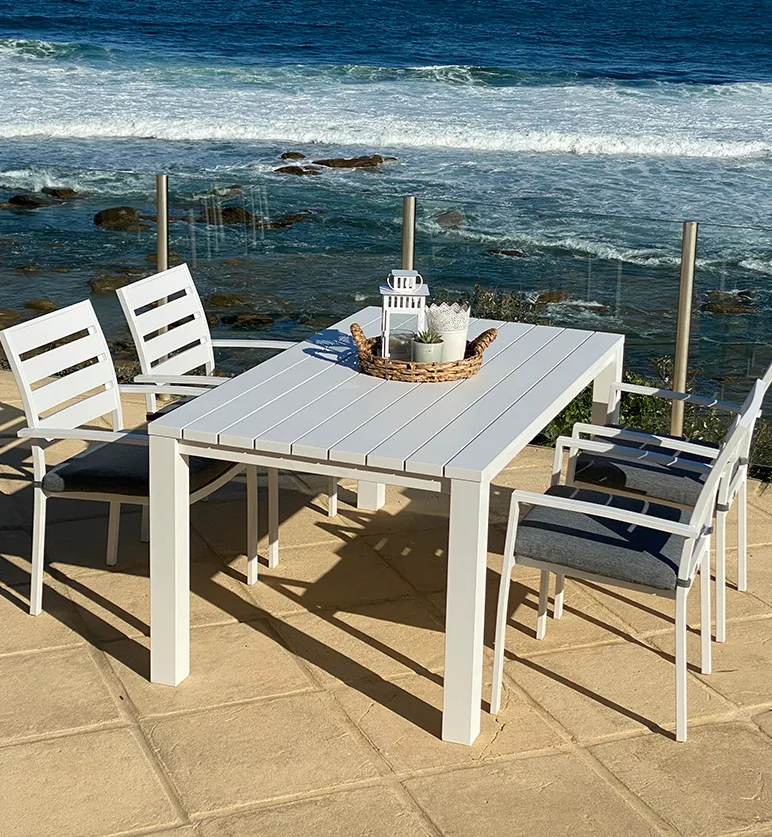
What are the ideal materials for cushions and fabrics for aluminum furniture that won’t fade in the sun?
When selecting cushions and fabrics for aluminum furniture that won’t fade in the sun, it’s important to choose materials that are specifically designed to resist UV rays and maintain their color vibrancy. Here are some ideal materials to consider:
1. Solution-Dyed Acrylic:
Solution-dyed acrylic fabrics are a popular choice for outdoor furniture cushions. In this manufacturing process, the acrylic fibers are dyed before they are woven, resulting in color that is deeply embedded throughout the fabric. This makes the fabric highly resistant to fading caused by UV exposure. Solution-dyed acrylic fabrics are also known for their durability, water resistance, and resistance to mildew and stains.
2. Polyester with UV-resistant Treatment:
Polyester fabrics with a UV-resistant treatment are another suitable option. The UV-resistant treatment helps protect the fabric from the damaging effects of the sun’s rays, including fading. Look for polyester fabrics labeled as UV-resistant or fade-resistant. These fabrics are often treated with special coatings or additives that provide enhanced sun protection.
3. Sunbrella® Fabrics:
Sunbrella® is a well-known brand that offers a range of fabrics specifically designed for outdoor use. Sunbrella® fabrics are made from solution-dyed acrylic fibers, making them highly resistant to fading in the sun. These fabrics are also water repellent, stain resistant, and easy to clean. Sunbrella® fabrics come in a wide variety of colors and patterns, allowing you to find options that suit your style and design preferences.
4. Olefin:
Olefin is a synthetic fiber that is commonly used for outdoor cushions and fabrics. It is resistant to UV rays and has good colorfastness, meaning it retains its color even with prolonged sun exposure. Olefin fabrics are also known for being durable, water-resistant, and resistant to mold and mildew.
5. PVC-coated Polyester:
PVC-coated polyester fabrics are another option for sun-resistant cushions and fabrics. The PVC coating provides protection against UV rays and helps prevent fading. These fabrics are often used for awnings, umbrellas, and outdoor furniture covers, but can also be suitable for cushions. PVC-coated polyester is typically easy to clean and has good durability.
6. High-Quality Outdoor Fabrics:
When choosing cushions and fabrics for aluminum furniture, look for high-quality outdoor fabrics that are specifically designed to withstand sun exposure. These fabrics are often labeled as fade-resistant, UV-resistant, or suitable for outdoor use. They are engineered to resist fading, maintain color vibrancy, and withstand the rigors of outdoor environments.
Remember to check the manufacturer’s specifications and product descriptions to ensure that the fabrics you choose have the desired UV resistance and fade-resistant properties. Additionally, proper care and maintenance, such as regular cleaning and providing shade or protection when not in use, can help prolong the lifespan and color retention of the cushions and fabrics.
By selecting cushions and fabrics made from these ideal materials, you can ensure that your aluminum furniture remains vibrant and attractive even when exposed to the sun’s rays. These materials are specifically designed to resist fading and maintain their color integrity, allowing you to enjoy your outdoor space without worrying about the effects of sun exposure.
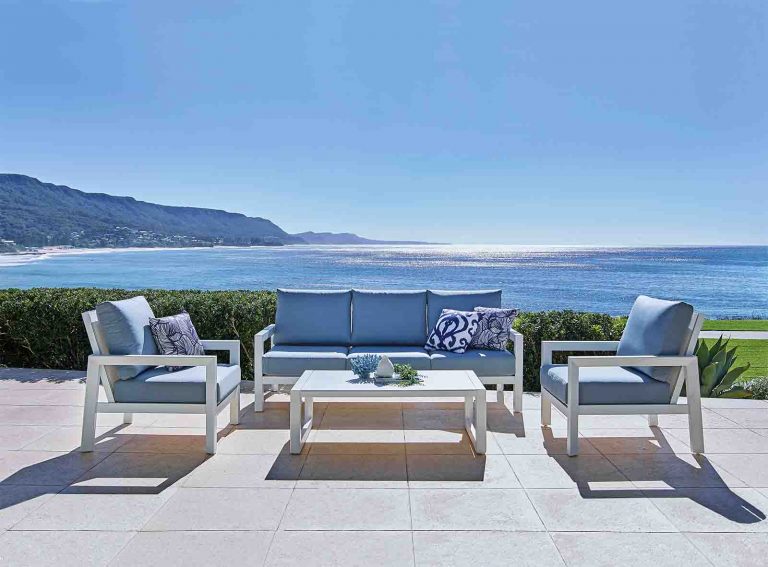
How does aluminum furniture compare to other materials like wood or steel?
When comparing aluminum furniture to other materials like wood or steel, there are several factors to consider. Let’s explore each material and how they stack up against each other:
1. Aluminum Furniture:
Aluminum furniture offers several advantages:
- Durability: Aluminum is known for its durability and resistance to rust and corrosion. It is well-suited for outdoor furniture as it can withstand exposure to various weather conditions.
- Lightweight: Aluminum is lightweight, making it easy to move and rearrange furniture as needed.
- Low Maintenance: Aluminum furniture requires minimal maintenance. It can be easily cleaned with soap and water, and it does not require regular sealing or staining like wood.
- Aesthetic Appeal: Aluminum furniture often has a sleek and modern look, which can complement different styles of outdoor or indoor spaces.
2. Wood Furniture:
Wood furniture has its own set of advantages:
- Natural Beauty: Wood furniture has a warm and natural aesthetic appeal. It can add a touch of elegance and sophistication to any space.
- Durability: High-quality wood furniture, such as teak or cedar, can be highly durable and resistant to decay and insects.
- Customization: Wood furniture can be easily customized, stained, or painted to match specific design preferences.
- Environmental Considerations: Wood is a renewable resource, and furniture made from sustainably sourced wood can be an eco-friendly choice.
3. Steel Furniture:
Steel furniture also offers its own unique benefits:
- Strength: Steel is known for its strength and durability, making it suitable for heavy-duty applications.
- Stability: Steel furniture tends to be sturdy and stable, which can be particularly important for items like tables and chairs.
- Weather Resistance: Steel furniture can withstand exposure to harsh weather conditions without warping or deteriorating.
- Industrial Look: Steel furniture often has a sleek and industrial aesthetic that works well in contemporary or minimalist design schemes.
Ultimately, the choice between aluminum, wood, or steel furniture depends on individual preferences, intended use, and the specific requirements of the space. Consider factors such as durability, maintenance, aesthetic appeal, and environmental impact to make an informed decision.
editor by CX 2024-01-24