Product Description
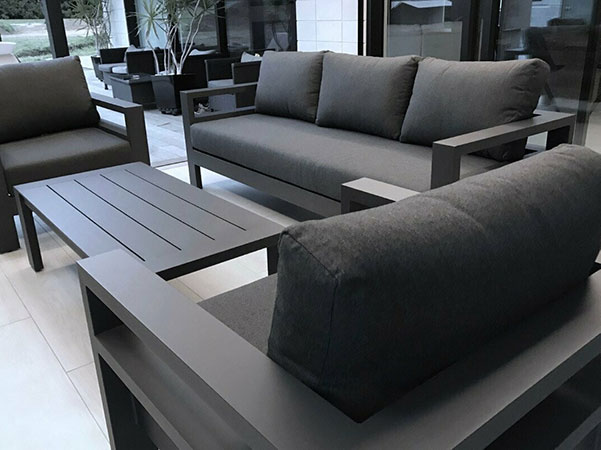
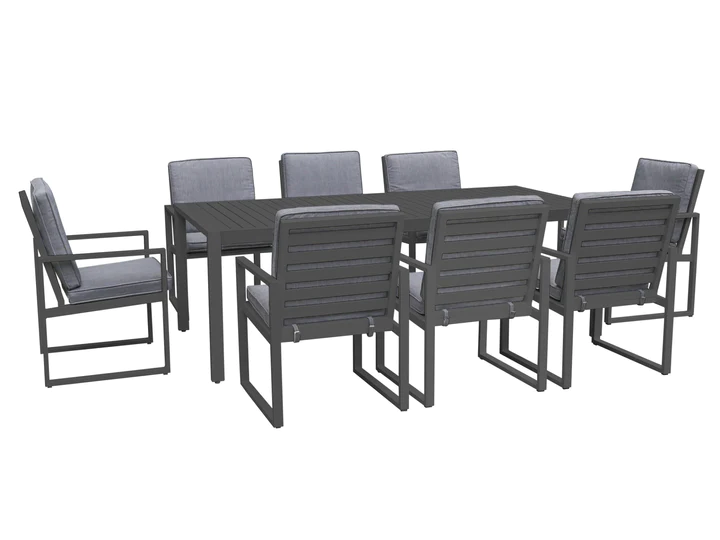
CHINAMFG outdoor furniture factory is a modern factory specializing in the production of sofa, outdoor table and chair, bed and other woven products. We have a sound quality management system and after-sales service system. If you want to know more details, please do not hesitate to contact us.
| Material: | Aluminum |
|---|---|
| Usage: | Outdoor |
| Folded: | Unfolded |
| Customized: | Customized |
| Condition: | New |
| Guarantee: | 2-5 Years |
| Samples: |
US$ 967/Set
1 Set(Min.Order) | |
|---|
| Customization: |
Available
|
|
|---|
How do I protect my aluminum furniture from sun exposure and fading?
Protecting aluminum furniture from sun exposure and fading is essential to maintain its appearance and prolong its lifespan. Here are some effective measures to consider:
1. Use Protective Covers:
When not in use, cover your aluminum furniture with protective covers specifically designed for outdoor furniture. These covers provide a barrier against direct sunlight, UV rays, and other weather elements. Choose covers made from durable, UV-resistant materials that are waterproof and breathable to prevent moisture buildup.
2. Provide Shade:
Position your aluminum furniture in shaded areas to reduce direct exposure to sunlight. Consider using umbrellas, canopies, or pergolas to create shade over your outdoor seating areas. This helps minimize the amount of sunlight reaching the furniture, reducing the risk of fading and sun damage.
3. Apply Protective Coatings:
Applying protective coatings to your aluminum furniture can provide an additional layer of defense against sun exposure and fading. Look for coatings specifically formulated for outdoor use and compatible with aluminum surfaces. These coatings act as a barrier, shielding the furniture from UV rays and preventing color fading. Follow the manufacturer’s instructions for proper application.
4. Regular Cleaning:
Regularly clean your aluminum furniture to remove dirt, debris, and pollutants that can contribute to fading. Use a mild soap or specialized aluminum cleaner and a soft brush or cloth to gently scrub the surfaces. Rinse thoroughly with water and dry completely to prevent water spots. Avoid abrasive cleaners or tools that can scratch the aluminum finish.
5. Apply UV Protectors:
UV protectors are products designed to safeguard outdoor furniture from the harmful effects of UV rays. Look for UV protectors specifically formulated for use on aluminum surfaces. These products create a protective barrier that absorbs or reflects UV radiation, reducing the risk of fading and sun damage. Follow the manufacturer’s instructions for application and reapplication intervals.
6. Seek Shelter During Extreme Conditions:
During periods of intense sunlight or extreme weather conditions, it’s advisable to seek shelter for your aluminum furniture. This can include moving the furniture indoors or storing it in a covered area such as a garage or shed. Extreme heat, prolonged exposure to intense sunlight, or severe weather conditions can accelerate fading and damage to the furniture.
7. Regular Maintenance and Inspection:
Perform regular maintenance and inspections on your aluminum furniture. Check for any signs of fading, discoloration, or damage. Promptly address any issues by cleaning, applying protective coatings, or seeking professional assistance if needed. Regular maintenance helps identify and address potential problems before they worsen.
By implementing these preventive measures, you can effectively protect your aluminum furniture from sun exposure and fading. Remember to follow the manufacturer’s recommendations and care instructions specific to your furniture for optimal protection and longevity.
How do I choose the right cushions and fabrics for aluminum furniture that won’t absorb moisture?
When selecting cushions and fabrics for aluminum furniture, it’s important to choose materials that are specifically designed to resist moisture absorption. Here are some factors to consider when choosing cushions and fabrics that won’t absorb moisture:
1. Outdoor-Specific Fabrics:
Opt for fabrics that are specifically designed for outdoor use. Outdoor fabrics are typically made from synthetic materials such as acrylic, polyester, or solution-dyed acrylic. These fabrics are resistant to moisture and are designed to withstand exposure to outdoor elements without absorbing water. Look for labels indicating that the fabric is suitable for outdoor use or has features like water resistance or water repellency.
2. Water-Repellent or Waterproof Treatments:
Some outdoor fabrics come with water-repellent or waterproof treatments. These treatments create a barrier on the fabric’s surface, preventing water from seeping in. Water-repellent fabrics will repel water to a certain degree, while waterproof fabrics provide a higher level of protection and prevent water penetration altogether. Consider fabrics treated with these features to ensure they remain resistant to moisture absorption.
3. Quick-Drying Properties:
Look for cushions and fabrics that have quick-drying properties. Fabrics with quick-drying capabilities allow moisture to evaporate quickly, preventing the buildup of mold or mildew. These fabrics are designed to dry rapidly after exposure to rain or humidity, making them ideal for outdoor use where moisture resistance is essential.
4. Breathability:
Choose cushions and fabrics that are breathable. Breathable fabrics allow air circulation, which helps prevent moisture buildup and allows for faster drying. Fabrics like mesh or those with open weaves promote airflow, reducing the chances of moisture retention and enhancing comfort when sitting on the cushions.
5. Removable and Washable Cushion Covers:
Consider cushions with removable and washable covers. Having removable cushion covers allows for easy cleaning and maintenance. If moisture does manage to penetrate the fabric, removable covers make it convenient to remove and wash them to prevent the growth of mold or mildew. Look for cushions with zipper closures or hook-and-loop fasteners for easy removal and reattachment.
6. Proper Drainage or Ventilation:
Ensure that the cushions and furniture have proper drainage or ventilation mechanisms. This allows any moisture that may accumulate on the cushions or within the furniture frame to drain or evaporate effectively. Look for cushions with mesh bottoms or built-in channels that facilitate water drainage, preventing moisture from being trapped and absorbed.
7. Regular Maintenance:
Maintain your cushions and fabrics regularly to prevent moisture absorption. Brush off any debris or dirt from the cushions and clean them according to the manufacturer’s instructions. Regular cleaning and maintenance help maintain the fabric’s integrity and ensure its moisture-resistant properties remain effective over time.
8. Quality and Durability:
Choose cushions and fabrics of high quality and durability. Well-made outdoor fabrics are often designed to withstand the elements and have enhanced moisture resistance properties. Consider reputable brands known for their quality craftsmanship and materials to ensure long-lasting performance.
Remember to consider your specific needs, preferences, and the climate in which the furniture will be used when choosing cushions and fabrics for aluminum furniture. By selecting cushions and fabrics that are specifically designed to resist moisture absorption, you can ensure that your aluminum furniture remains comfortable, functional, and free from the issues associated with moisture retention.
What types of cushions and fabrics pair well with aluminum furniture?
When selecting cushions and fabrics to pair with aluminum furniture, it’s important to consider both aesthetic appeal and practicality. Here are some types of cushions and fabrics that work well with aluminum furniture:
- Outdoor-Specific Fabrics: Since aluminum furniture is often used outdoors, it’s advisable to choose cushions and fabrics specifically designed for outdoor use. These fabrics are typically made to withstand exposure to the elements, including UV rays, moisture, and mildew. Outdoor-specific fabrics are often water-resistant or water-repellent, making them easier to clean and maintain.
- Sunbrella: Sunbrella is a popular brand known for its high-performance outdoor fabrics. Sunbrella fabrics are fade-resistant, durable, and easy to clean. They offer a wide range of colors, patterns, and textures to complement various aluminum furniture styles.
- Olefin: Olefin is another synthetic fabric that is commonly used for outdoor cushions. It is resistant to fading, moisture, and mildew. Olefin fabrics are often solution-dyed, which means the color is embedded in the fibers during manufacturing, making them highly colorfast.
- Acrylic: Acrylic fabrics are often used for outdoor cushions due to their durability and resistance to fading and mildew. They are soft, comfortable, and come in a variety of colors and patterns. Acrylic fabrics are also easy to clean and maintain.
- Quick-Drying Foam: When choosing cushions for outdoor aluminum furniture, consider cushions with quick-drying foam inserts. This type of foam allows water to drain and evaporate more easily, preventing the cushions from becoming waterlogged and reducing the risk of mildew formation.
- Neutral Tones: Neutral-colored cushions and fabrics are versatile and tend to pair well with aluminum furniture. Shades like beige, gray, taupe, or white can create a clean and modern look. They also provide a neutral backdrop that allows the aluminum furniture to stand out or be complemented by other decorative elements.
When selecting cushions and fabrics, it’s important to consider your personal style preferences, the overall aesthetic you want to achieve, and the level of comfort you desire. Additionally, ensure that the cushions and fabrics you choose are compatible with outdoor use and can withstand the specific environmental conditions in your area.
Remember to follow the manufacturer’s care instructions for cleaning and maintenance to keep your cushions and fabrics looking their best and to ensure their longevity.
editor by CX 2023-11-02