Product Description
| Carcass | 18MM E1(≤0.124mg/m³), E0(≤0.050mg/m³), ENF(≤0.571mg/m³) / CARB NAF Stander Water-proof Particle board / EGGER Particle board. |
| 18MM Water-proof plywood / 18MM Solid wood. | |
| Door Base Material | 18MM/25MM E1(≤0.124mg/m³), E0(≤0.050mg/m³), ENF(≤0.571mg/m³) / CARB NAF Stander Water-proof Particle board / EGGER Particle board. |
| 18MM/25MM Water-proof plywood/MDF/Solid wood/ | |
| Edge Banding | Acrylic – Laser Edgebanding |
| Aluminum; | |
| PVC – Laser Edgebanding / Glue Edgebanding | |
| Colors | More than 200 of colors to choose/Customize with MOQ |
| Door Surface Finish | Luxury Acrylic door panel; |
| PET Panel with High glossy / PET Panel with Silk touch surface | |
| UV high glossy panel/painting panel; | |
| Lacquer – Customize color | |
| PVC vinyl wrap / Melamine face board; | |
| Countertop | Quartz Stone, Sintered Stone, Nature Marble |
| Size | Standard Size: |
| Base cabinet(H=850mm,D=600mm) | |
| Wall cabinet(H=700mm,D=320mm) | |
| Customize:custom-made as per buy’s requirements | |
| Features | Environmental friendly |
| Easy to clean and assemble | |
| Scratch resistant and corrosion resistant | |
| Moisture-proof | |
| Acid and alkali resistant | |
| Anti-bacterium |
Company Profile
Our company has a strong focus on research and development, and it invests heavily in new technologies and processes to improvethe quality and performance of its products. Zhihua Group has a team of experienced engineers and designers who work closelywith customers to develop customized solutions that meet their specific needs.
We have a state-of-the-art production facility, which is equipped with the latest equipment and technology. The company has a strictquality control system, which ensures that all products meet the highest standards of quality and safety.
We are committed to sustainable and responsible manufacturing practices, and it has implemented a number of initiatives to reduceits environmental impact. The company uses eco-friendly materials and processes wherever possible, and it has obtained a numberof certifications and awards for its environmental effort
Due to the technological innovation, upgrading and market-oriented products, Zhihua group no only meets domestic needs, but alsohave footprints in more than 50 countries and regions around the world, includidng U.S, Canada, Australia, Saudi Arabic, U.A.E,Africa, Europe etc.
Show Room
Certifications
Project Cases
FAQ
Q1:What are your main products?
A: Zhihua specialized in home furniture for more than 20 years with German quality and ltaliandesign, the main product including kitchen cabinets, bathroom vanities, interior doors, walk inclosets, living room cabinets and home furniture.
Q2:What kinds of style or material for kitchen cabinet do you have?
A: We have modern and classic style, the main material including: melamine, PVC, lacquer.wood veneer, glass, solid wood, ceramic slab and so on.
Q3:Can you supply customized products?
A: Yes, we supply full range of customized products
Q4:How should I place an order for kitchen cabinet?
A: Step 1: Send us your kitchen layout
Step 2: Inform us your requiremente and appliances you will put in the kitchen
Step 3: Choose a kitchen style and our designer will make CAD drawing for your confirmmation
Step 4: Quotation according to confirmed design and all materials
Step 5: Confirm quotation and drawinge
Step 6: Make deposit after signing the contract, then arrange production and delivery”
Q5:What’s about the production leading time of kitchen cabinet?
A: In general. the leadina time is about 20 to 45 days
Q6: Are kitchen cabinets cheaper to build or buy?
A: As a factory for kitchen manufacturing, I can provide some insights to help you make an informed decision regarding whether kitchen cabinets are cheaper to build or buy. The answer depends on various factors, including your specific requirements, budget, time constraints, and your level of expertise or access to skilled labor. Here are a few considerations for both options:
Building Kitchen Cabinets:
1. Cost of Materials: Building your own kitchen cabinets allows you to potentially save on the cost of materials. However, keep in mind that quality materials can still be quite expensive, and if you’re aiming for high-end finishes, the costs can increase significantly.
2. Labor and Expertise: Building cabinets requires skilled labor, specialized tools, and knowledge of woodworking techniques. If you have the necessary skills or access to skilled labor at reasonable rates, building can be cost-effective. Otherwise, the cost of labor can add up quickly.
3. Time and Effort: Building kitchen cabinets is a time-consuming process that requires careful plHangZhou, precise measurements, and attention to detail. Consider whether you have the time and willingness to devote to this project.
Buying Kitchen Cabinets:
1. Convenience: Buying pre-made cabinets offers convenience, as you can select from a variety of designs, styles, and finishes available in the market. This can save you time and effort in designing and building cabinets from scratch.
2. Professional Quality: Manufacturers often produce cabinets at a larger scale, which can result in cost savings due to economies of scale. Additionally, established manufacturers have expertise in creating high-quality cabinets that meet industry standards.
3. Installation: Purchasing pre-made cabinets often includes professional installation services, ensuring proper fitting and alignment. If you’re not confident in your installation skills, this can be a significant advantage.
In summary, the cost-effectiveness of building or buying kitchen cabinets depends on your individual circumstances. Assess your budget, time constraints, available resources, and skill level to make the best decision. It can be beneficial to compare the costs of materials, labor, and the convenience factor associated with both options. Ultimately, choose the option that aligns with your specific needs and provides the best value for money.”
Q7: Can I just replace the kitchen cabinets?
A: Yes, you can certainly replace the kitchen cabinet without having to remodel or renovate the entire kitchen. Replacing a single cabinet is a viable option when you want to update the look or functionality of your kitchen without undertaking a larger project.
By replacing a single cabinet, you can give your kitchen a fresh new look without the need for extensive construction or renovation work.”
/* March 10, 2571 17:59:20 */!function(){function s(e,r){var a,o={};try{e&&e.split(“,”).forEach(function(e,t){e&&(a=e.match(/(.*?):(.*)$/))&&1
| Feature: | Modern |
|---|---|
| Carcase Material: | MDF |
| Door Material: | MDF |
| Table Material: | Marble |
| Style: | L Style |
| Fixed: | Fixed |
| Customization: |
Available
|
|
|---|
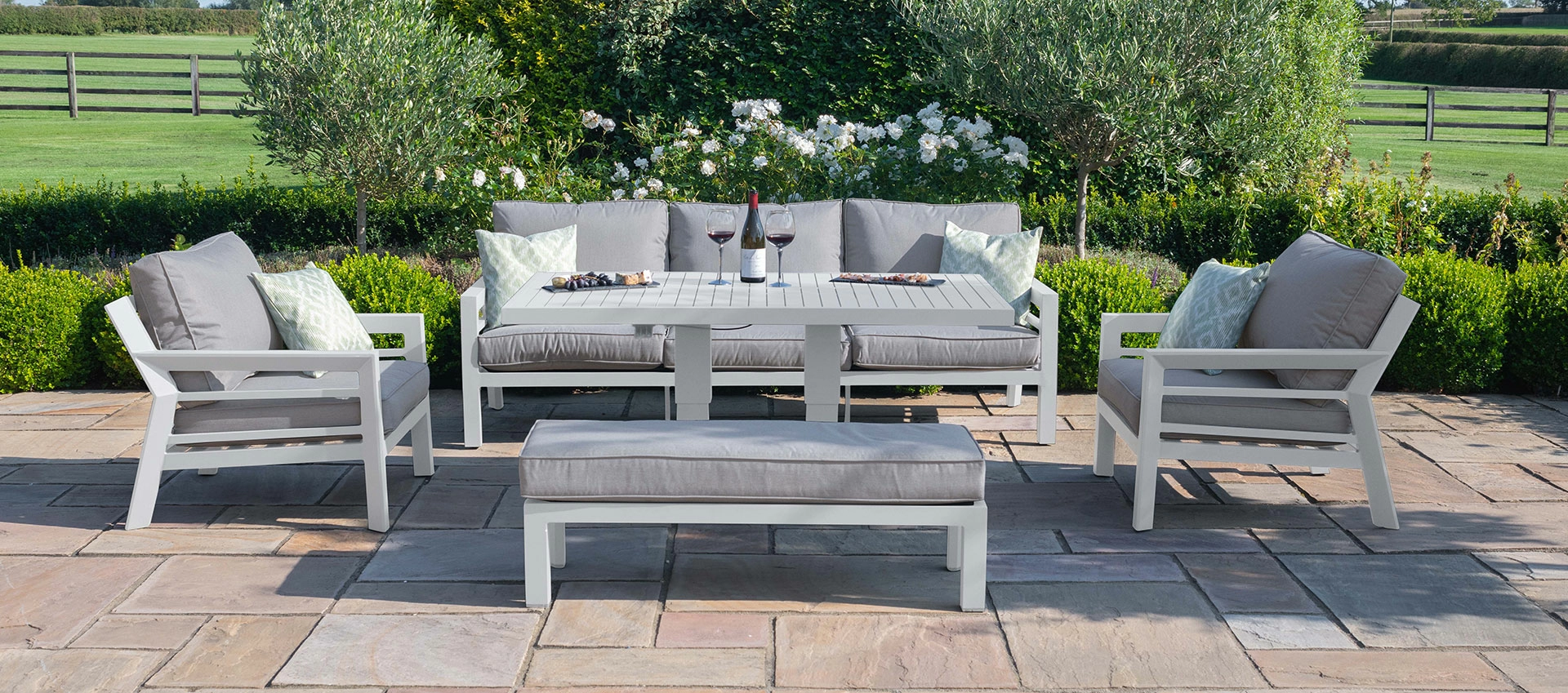
What finishes and treatments are available for aluminum furniture parts?
Aluminum furniture parts can be finished and treated in various ways to enhance their appearance, durability, and protection. Here is a detailed explanation of the finishes and treatments available for aluminum furniture parts:
- 1. Powder Coating:
- 2. Anodizing:
- 3. Polishing:
- 4. Brushed or Satin Finish:
- 5. Clear Coating:
- 6. Lacquering:
- 7. Custom Finishes:
Powder coating is a popular finish for aluminum furniture parts. It involves applying a dry powder to the surface of the aluminum and then curing it through a heating process. Powder coating provides a durable and even finish that is resistant to chipping, scratching, and fading. It is available in a wide range of colors and textures, allowing for customization and versatility in design.
Anodizing is an electrochemical process that creates a protective oxide layer on the surface of aluminum furniture parts. This treatment enhances the natural corrosion resistance of aluminum and provides a durable finish. Anodized aluminum can have a variety of colors, ranging from clear or natural to bronze, black, or other custom shades. It also maintains the metallic appearance of the aluminum while offering improved resistance to scratches and wear.
Polishing is a surface treatment that gives aluminum furniture parts a smooth and reflective finish. Through the use of polishing compounds and abrasive materials, the aluminum surface is buffed to remove imperfections and create a high-gloss shine. Polished aluminum parts can add a touch of elegance and sophistication to furniture designs.
Brushed or satin finishes are achieved by brushing the aluminum surface with abrasive materials in a consistent pattern. This creates a textured, matte finish that diffuses light and hides fingerprints or minor scratches. Brushed or satin finishes are commonly used in contemporary or industrial-style furniture, offering a sleek and modern look.
Clear coating involves applying a transparent protective layer on the aluminum surface. This treatment helps preserve the natural appearance of the aluminum while providing a barrier against oxidation, corrosion, and UV damage. Clear coatings can be combined with other treatments or used on their own to maintain the metallic look of aluminum furniture parts.
Lacquering is a process of applying a clear or colored coating to aluminum furniture parts to protect the surface and enhance its visual appeal. Lacquers can provide a glossy or matte finish, depending on the desired effect. They offer protection against scratches, moisture, and fading, and are available in a wide range of colors to suit different design preferences.
Custom finishes for aluminum furniture parts are also available, allowing for unique and personalized designs. These can include specialized paint applications, patterns, textures, or other decorative treatments. Custom finishes provide the opportunity to match specific design themes, incorporate branding elements, or achieve a one-of-a-kind look for your furniture.
When selecting finishes and treatments for aluminum furniture parts, consider the desired aesthetic, functionality, and durability requirements. Additionally, follow the manufacturer’s recommendations and proper maintenance practices to ensure the longevity and performance of the finished aluminum parts.
With the variety of finishes and treatments available, aluminum furniture parts can be customized to suit different design styles and functional needs, providing both visual appeal and long-lasting performance.
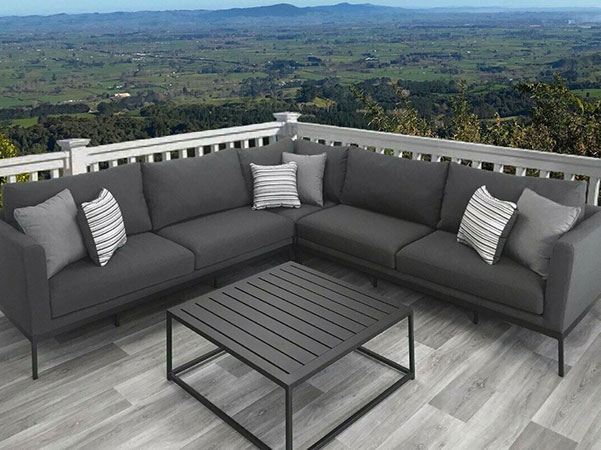
Can aluminum furniture parts withstand exposure to saltwater in coastal environments?
Yes, aluminum furniture parts can generally withstand exposure to saltwater in coastal environments. Here is a detailed explanation:
1. Corrosion Resistance: Aluminum is naturally resistant to corrosion, which makes it well-suited for coastal environments where saltwater is present. The oxide layer that forms on the surface of aluminum provides a protective barrier against saltwater, preventing direct contact between the metal and the corrosive elements. This corrosion resistance helps to maintain the structural integrity and appearance of aluminum furniture parts over time.
2. Anodized Aluminum: Anodizing is an additional surface treatment process that can further enhance the corrosion resistance of aluminum. Anodized aluminum undergoes an electrochemical process that thickens the natural oxide layer on the surface, creating a more durable and protective coating. Anodized aluminum furniture parts are even more resistant to saltwater exposure and can withstand the harsh coastal environment with minimal corrosion or degradation.
3. Proper Maintenance: While aluminum furniture parts are generally resistant to saltwater, proper maintenance is still important to ensure their longevity. Regular cleaning with fresh water and mild soap is recommended to remove any salt residue or other contaminants. Avoid using abrasive cleaners or materials that can scratch the surface of the aluminum. Periodically inspect the furniture parts for any signs of corrosion or damage and address any issues promptly.
4. Protective Finishes: Applying a protective finish, such as powder coating or a clear sealant, can provide an additional layer of protection for aluminum furniture parts in coastal environments. Powder coating creates a durable and corrosion-resistant barrier on the surface, while a clear sealant can help seal the aluminum and prevent direct exposure to saltwater. These finishes not only enhance the corrosion resistance but also offer aesthetic options to match your desired style.
5. Stainless Steel Hardware: When assembling aluminum furniture parts for coastal environments, using stainless steel hardware is recommended. Stainless steel is highly resistant to corrosion caused by saltwater, ensuring that the fasteners and connectors used in the furniture assembly remain strong and intact. Using stainless steel hardware helps maintain the overall integrity of the furniture and prevents potential issues due to corrosion.
While aluminum furniture parts are generally well-suited for coastal environments, it’s important to note that prolonged exposure to saltwater can still cause some degree of corrosion over time. Regular maintenance, including cleaning and inspection, will help identify and address any issues before they become significant. Additionally, choosing high-quality aluminum materials, considering anodized or protective finishes, and using stainless steel hardware can further enhance the ability of aluminum furniture parts to withstand saltwater exposure in coastal environments.
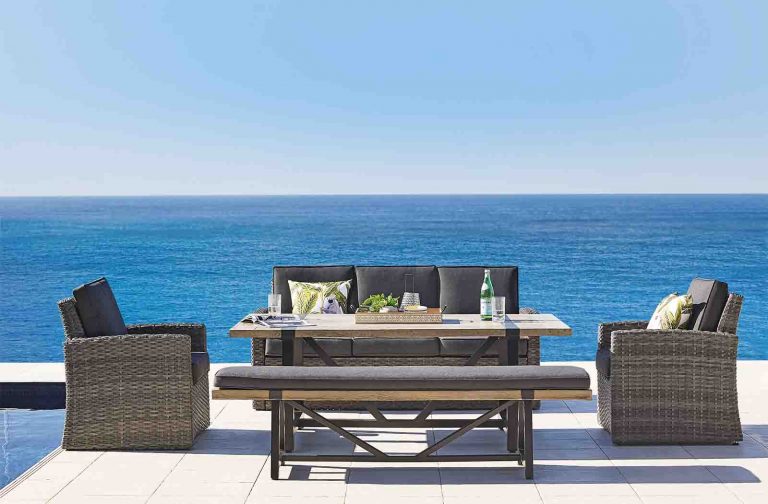
Are there eco-friendly or sustainable options for aluminum furniture parts?
Yes, there are eco-friendly and sustainable options available for aluminum furniture parts. Here is a detailed explanation of these options:
- 1. Recycled Aluminum:
- 2. Low Carbon Aluminum:
- 3. Cradle-to-Cradle Certified:
- 4. Design for Disassembly:
- 5. Local Sourcing:
- 6. Lifecycle Assessment:
One sustainable option for aluminum furniture parts is the use of recycled aluminum. Recycled aluminum is obtained from post-consumer or post-industrial sources and processed to create new aluminum products. This reduces the need for extracting and refining raw materials, conserves energy, and minimizes waste. Choosing furniture parts made from recycled aluminum helps promote a circular economy and reduces the environmental impact associated with traditional aluminum production.
Low carbon aluminum refers to aluminum produced using energy-efficient processes or renewable energy sources. It aims to reduce the carbon emissions associated with aluminum production. Manufacturers may employ technologies such as smelting with lower energy consumption or utilizing renewable energy in the production process. Opting for furniture parts made from low carbon aluminum helps mitigate the carbon footprint and contributes to a more sustainable supply chain.
Cradle-to-Cradle (C2C) certification is a rigorous standard that evaluates the environmental and social performance of a product throughout its lifecycle. Some aluminum furniture parts may carry the C2C certification, indicating that they meet specific criteria for material health, recyclability, renewable energy usage, water stewardship, and social fairness. Choosing C2C certified aluminum parts ensures that they have undergone a comprehensive sustainability assessment.
Designing aluminum furniture parts with disassembly in mind promotes sustainability. By using modular or easily detachable components, furniture can be disassembled at the end of its life cycle, allowing for efficient recycling or reuse of the aluminum parts. Designing for disassembly prolongs the lifespan of the materials and reduces waste.
Opting for locally sourced aluminum furniture parts can contribute to sustainability. Choosing suppliers or manufacturers within proximity reduces transportation distances, resulting in lower carbon emissions associated with shipping. It also supports local economies and reduces reliance on global supply chains.
Performing a lifecycle assessment (LCA) of aluminum furniture parts helps evaluate their environmental impact from raw material extraction to end-of-life disposal. LCAs consider factors such as energy consumption, greenhouse gas emissions, resource usage, and waste generation. Manufacturers or suppliers that conduct LCAs can provide transparency regarding the sustainability performance of their aluminum parts.
When sourcing aluminum furniture parts, look for certifications, labels, or information provided by manufacturers or suppliers that indicate their commitment to sustainability. Additionally, consider the overall durability and quality of the furniture parts, as longer lifespan reduces the need for replacements and minimizes waste.
By choosing eco-friendly or sustainable options for aluminum furniture parts, you can contribute to a more environmentally responsible and socially conscious approach to furniture manufacturing and consumption.
editor by CX 2024-01-08