Product Description
Description:
Plastic furniture often times invokes words like flimsy, bland, and uninspired, but Synthetic wood breaks the mold with their beautiful, performance driven, and eco-friendly furnishings. Providing stylish and casual pieces to any outdoor patio, deck, or beach/pool side getaway, Synthetic wood has quickly developed into 1 of the most CHINAMFG and trusted materials in the outdoor living industry.
A ‘Green’ material, Synthetic wood has brought an innovative and environmentally friendly method to making long lasting furniture that involves turning landfill waste into products that offer year after year of comfort and relaxation. This durable and all-weather resistant material offers the look of natural wood, but with none of the worry that your furniture will rot or fade. Another bonus is that you can either go with more traditional, earth-complimenting colors or have your pick of some stunning vibrant colors that will really make your patio furniture pop.
Our Synthetic wood collection will provide a modern casual style to any patio. It is also great for creating an outdoor dining set with any of the Synthetic wood dining tables.
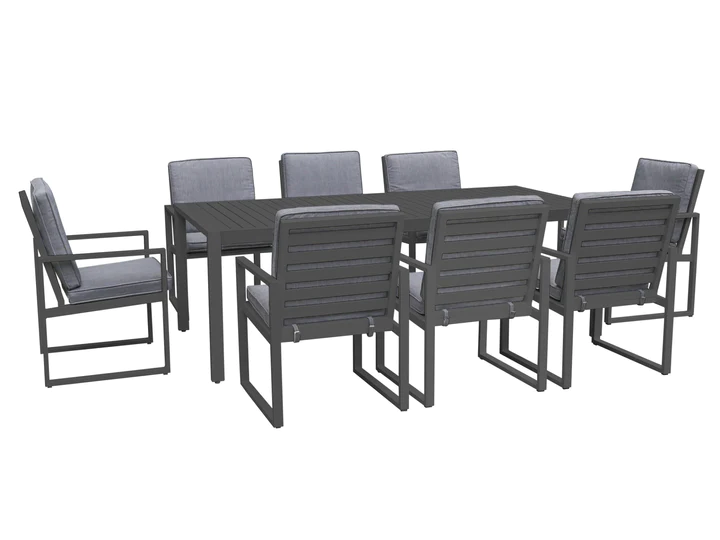
The Synthetic wood collection features a powder coated aluminum frame and slats that are made from the innovative Synthetic wood material.The slats are available in variety of standard and vibrant colors, so that you can create a custom design that matches your style.
Faux Wood Colors:
Application:
Packing:
Loading:
/* March 10, 2571 17:59:20 */!function(){function s(e,r){var a,o={};try{e&&e.split(“,”).forEach(function(e,t){e&&(a=e.match(/(.*?):(.*)$/))&&1
| Material: | Aluminium+Faux Wood |
|---|---|
| Style: | Antique |
| Back Height: | Medium Back |
| Seater: | 1 |
| Seat Thickness: | 2.0mm |
| Armrest: | With Armrest |
| Samples: |
US$ 50/Piece
1 Piece(Min.Order) | |
|---|
| Customization: |
Available
|
|
|---|
How do I keep my garden furniture from fading in the sun?
Fading of garden furniture due to sun exposure is a common concern. Here are some tips to help prevent fading and prolong the lifespan of your garden furniture:
1. Choose Sun-Resistant Materials:
When selecting garden furniture, opt for materials that are specifically designed to be resistant to fading caused by UV rays. Look for furniture made from materials like aluminum, teak, wrought iron, or UV-resistant synthetic materials that are less prone to fading.
2. Apply Protective Finishes:
Consider applying a protective finish to your garden furniture. Finishes like sealants, varnishes, or outdoor-grade paint can provide an additional layer of protection against UV rays. Make sure to choose finishes that are suitable for outdoor use and follow the manufacturer’s instructions for application.
3. Use Furniture Covers:
When your garden furniture is not in use, cover it with UV-resistant furniture covers. These covers shield the furniture from direct sunlight and help prevent fading. Ensure that the covers fit properly and are secured to withstand wind or other weather conditions.
4. Provide Shade:
Position your garden furniture in shaded areas, such as under a pergola, umbrella, or tree. Providing shade can significantly reduce the amount of direct sunlight your furniture receives, decreasing the risk of fading. Alternatively, you can create shade by using outdoor curtains, sunshades, or canopies.
5. Rotate and Rearrange:
To ensure even exposure to sunlight, periodically rotate and rearrange your garden furniture. This helps distribute the effects of fading more evenly across the furniture pieces. By changing the layout, you can also minimize the impact of prolonged sun exposure on specific areas.
6. Use Reflective Heat-Resistant Materials:
Avoid using dark-colored cushions or fabrics for your garden furniture, as they tend to absorb more heat and sunlight, increasing the risk of fading. Instead, opt for lighter-colored cushions and fabrics that reflect sunlight and heat. Additionally, consider using heat-resistant materials that are less prone to fading.
7. Regular Cleaning and Maintenance:
Regularly clean and maintain your garden furniture to remove dirt, debris, and pollutants that can contribute to fading. Follow the manufacturer’s instructions for cleaning and use appropriate cleaning products. Regular maintenance helps preserve the appearance and condition of the furniture.
8. Store Furniture During Intense Sunlight:
If possible, consider storing your garden furniture in a covered area or indoors during periods of intense sunlight, such as during the hottest hours of the day or during the peak of summer. Storing the furniture away from direct sunlight can help minimize fading.
By implementing these measures, you can help protect your garden furniture from fading caused by sun exposure. Remember, prevention is key, and proactive care will help maintain the appearance and longevity of your outdoor furniture.
Are there any sustainable or recycled garden furniture options available?
Yes, there are several sustainable and recycled options available for garden furniture. These eco-friendly alternatives help reduce the environmental impact of furniture production and promote the use of recycled materials. Here are some examples:
1. Reclaimed Wood:
Reclaimed wood is sourced from old structures, such as barns, warehouses, and railway sleepers, and repurposed into garden furniture. Using reclaimed wood helps reduce the demand for new timber and minimizes deforestation. Additionally, it adds a rustic and unique character to the furniture.
2. Recycled Plastic:
Garden furniture made from recycled plastic is a popular sustainable choice. It is typically manufactured from post-consumer plastic waste, such as recycled bottles and packaging materials. Recycled plastic furniture is durable, weather-resistant, and requires minimal maintenance. By using recycled plastic, it helps reduce plastic waste and promotes a circular economy.
3. Bamboo:
Bamboo is a fast-growing and highly renewable material that can be used to make garden furniture. It has a similar appearance to wood and offers comparable strength and durability. Bamboo furniture is often treated to withstand outdoor conditions and can provide a sustainable alternative to traditional wood furniture.
4. Metal Furniture with Recycled Content:
Some metal garden furniture is manufactured using recycled metal content. This involves using recycled metals, such as aluminum or steel, in the production process. Choosing metal furniture with recycled content helps reduce the energy and resource requirements associated with mining and refining new metals.
5. Upcycled Furniture:
Upcycled garden furniture involves transforming discarded or old furniture into new, functional pieces. This can include refurbishing and repainting existing furniture or creatively repurposing materials to create unique designs. Upcycling reduces waste and gives new life to furniture that might have otherwise been discarded.
6. Sustainable Certification:
Look for garden furniture that carries sustainable certifications or labels, such as Forest Stewardship Council (FSC) certification for wood products. These certifications indicate that the furniture is sourced from responsibly managed forests or meets specific sustainability standards.
7. Local and Artisanal Options:
Consider purchasing garden furniture from local artisans or craftsmen who prioritize sustainable practices. Local sourcing reduces transportation emissions, supports local economies, and allows for direct communication with the makers to ensure sustainable production methods.
When selecting sustainable or recycled garden furniture, it’s important to ensure that the materials used are durable and suitable for outdoor environments. Additionally, consider the overall lifecycle of the furniture, including its end-of-life disposal options.
By choosing sustainable or recycled garden furniture, you can contribute to a more environmentally friendly outdoor space while still enjoying beautiful and functional furniture.
What are the latest trends in garden furniture designs and styles?
Garden furniture designs and styles evolve over time, influenced by changing tastes, technological advancements, and emerging trends. Here are some of the latest trends in garden furniture designs:
1. Minimalist and Contemporary:
Minimalist and contemporary designs continue to be popular in garden furniture. Clean lines, sleek profiles, and minimalist aesthetics create a modern and sophisticated look. Neutral colors and simple silhouettes are often seen in these designs.
2. Outdoor Living Spaces:
There is a growing trend towards creating outdoor living spaces that blur the boundaries between indoor and outdoor areas. Furniture designs that mimic indoor comfort and style, such as plush seating with cushions and outdoor rugs, are increasingly popular. This trend emphasizes creating cozy and inviting outdoor environments.
3. Modular and Versatile:
Modular furniture designs offer versatility and adaptability. These designs include sectional seating arrangements that can be rearranged to suit different occasions or to fit various outdoor spaces. The ability to customize and reconfigure the furniture provides flexibility and convenience.
4. Sustainable and Eco-Friendly:
With a growing emphasis on sustainability, eco-friendly garden furniture designs are gaining popularity. Materials like reclaimed wood, recycled plastic, and responsibly sourced teak are being used to create environmentally conscious furniture. Additionally, designs that promote water conservation and energy efficiency are also becoming more prevalent.
5. Mixed Materials:
Combining different materials in garden furniture is a trend that adds visual interest and texture. For example, incorporating wood with metal or wicker with aluminum creates a contemporary and eclectic look. Mixing materials allows for unique and personalized designs.
6. Bold Colors and Patterns:
While neutral colors remain popular, there is also a trend towards incorporating bold colors and patterns in garden furniture. Vibrant hues like deep blues, rich greens, and warm oranges are being used to make a statement. Patterns such as stripes, geometric designs, and floral prints add visual excitement to outdoor spaces.
7. Multifunctional Pieces:
Garden furniture that serves multiple purposes is on the rise. Examples include benches with built-in storage, coffee tables that convert into dining tables, or loungers with adjustable features. This trend maximizes functionality and optimizes space utilization in outdoor areas.
These are just a few of the latest trends in garden furniture designs and styles. Ultimately, it’s important to choose a style that resonates with your personal preferences and complements the overall aesthetic of your outdoor space.
editor by CX 2024-02-08